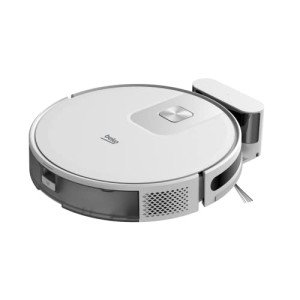
Why You Should Concentrate On Improving Self Cleaning Vacuum
The Rise of Self-Cleaning Vacuums: Revolutionizing Household Maintenance
In a period where benefit and effectiveness reign supreme, family home appliances have progressed to meet the needs of busy way of lives. Among the most recent innovations in the world of home cleaning is the self-cleaning vacuum. These sophisticated devices are designed not just to clean floors however also to maintain themselves with very little human intervention. This short article explores the operations, benefits, possible disadvantages, and future of self-cleaning vacuums.
Comprehending Self-Cleaning Vacuums
Self-cleaning vacuums represent a significant leap from standard vacuum. They are geared up with smart innovations that allow them to perform upkeep tasks instantly. This includes tasks such as clearing the dustbin, cleaning the brush rolls, and even charging themselves. These features are developed to reduce the time users invest in maintenance, permitting a more smooth cleaning experience.
Key Features of Self-Cleaning Vacuums
Feature
Description
Self-Emptying Dustbin
Immediately disposes of collected dirt and debris into a larger bin.
Brush Roll Cleaning
Utilizes brushes that remove tangled hair and particles to enhance performance.
Smart Navigation
Uses sensing units and cams for effective cleaning paths and obstacle avoidance.
App Integration
Allows users to manage the vacuum from another location and get maintenance notifications.
Self-Charging
Returns to a docking station to charge when the battery is low.
The Advantages of Self-Cleaning Vacuums
The benefits of integrating a self-cleaning vacuum into a household cleaning regimen are numerous:
Convenience: Self-cleaning vacuums substantially lower the manual work connected with conventional vacuuming. Users no longer need to stop to empty dustbins after every cleaning session.
Time-Saving: By automating cleaning and upkeep tasks, users can allocate their time to other important activities.
Consistency in Cleaning: With innovative navigation technologies, self-cleaning vacuums can keep a regular cleaning schedule, guaranteeing floorings are consistently tidy.
Improved Indoor Air Quality: Many self-cleaning vacuums come with advanced filtration systems that trap allergens and pollutants, adding to better indoor air quality.
Low Maintenance: These vacuums need less frequent attention regarding maintenance, as much of their upkeep tasks happen immediately.
Drawing Up the Pros and Cons
Pros
Cons
Convenience and ease of usage
Higher preliminary expense
Constant cleaning results
May require software updates
Advanced purification options
Dependence on technology
Less manual maintenance
Limited to home cleaning jobs
Potential Drawbacks of Self-Cleaning Vacuums
In spite of their advantages, self-cleaning vacuums are not without their obstacles:
Cost: The initial investment for a self-cleaning vacuum can be significantly greater than conventional models.
Reliability: Like any smart innovation, these vacuums depend on software application updates and battery performance. Users might come across concerns if the vacuum malfunctions.
Restricted Cleaning Capacity: While self-cleaning vacuums stand out on difficult floorings and low-pile carpets, they may have a hard time on thicker carpets or carpets.
Complex Repairs: Issues arising from sophisticated innovation may cause complicated repair work or perhaps demand professional assistance.
Picking the Right Self-Cleaning Vacuum
When thinking about a self-cleaning vacuum, it is essential to assess different functions and functionalities to identify the best suitable for your home needs. Here are some elements to think about:
Floor Types: Identify the kinds of floors in your house. Some vacuums carry out better on carpets, while others are created for hard floors.
Dustbin Capacity: Check the capacity of the self-emptying dustbin to guarantee it fulfills your cleaning frequency and volume.
Battery Life: Consider how long the vacuum can run before requiring to recharge.
Smart Features: Look for vacuums with app combination that enables for push-button control and modification.
Upkeep Requirements: Assess how typically you will require to change filters, clean the brushes manually, and carry out other maintenance jobs.
Often Asked Questions (FAQs)
1. How does a self-cleaning vacuum work?Self-cleaning vacuums are equipped with sensors and smart technology that allow them to browse and tidy floors effectively. They auto-empty dirt and debris into a docking station and frequently self-clean brush rolls.
2. Are self-cleaning vacuums worth it?While they include a higher price tag, many users find the convenience and time cost savings validate the cost, particularly in hectic families.
3. Can self-cleaning vacuums be managed through mobile phone?Yes, lots of self-cleaning vacuums featured app combination, permitting users to control cleaning schedules, monitor battery life, and get maintenance notifications remotely.
4. How typically do I need to empty the base station?This depends upon how often the vacuum is utilized and the size of the dustbin. Usually, users may need to clear it every few weeks.
5. Do self-cleaning vacuums work on carpets?Lots of self-cleaning vacuums perform well on low to mid-pile carpets but may have problem with high-pile carpets or thick rugs.
The Future of Self-Cleaning Vacuums
As technology continues to advance, the future of self-cleaning vacuums looks promising. Developments may cause much more effective cleaning systems capable of managing diverse floor types, integrating AI for smarter cleaning choices, and improving general user experience with better connection.
Top makers are vying to record a significant share of this market by continuously enhancing the design and features of their self-cleaning vacuums. Floor Vacuum Robot is most likely to remain on enhancing use, price, and energy efficiency, making these devices an important part of modern-day home management.
In conclusion, self-cleaning vacuums represent an impressive improvement in home cleaning innovation. In spite of their couple of disadvantages, the benefits they supply— benefit, time cost savings, and improved cleaning performance— make them an appealing choice for lots of families aiming to streamline their cleaning regimens and improve their living areas.